
When it comes to building a website, choosing the right CMS platforms for website development is crucial to ensuring a seamless, efficient, and successful digital presence. In 2025, there are numerous CMS platforms for website development, each offering unique features and capabilities. Whether you’re launching a personal blog, an e-commerce store, or a corporate website, the platform you select can significantly impact your website’s functionality, user experience, and SEO performance. This article explores the top 7 CMS platforms for website development in 2025, highlighting their key features and benefits.
List of Top 10 CMS Platforms for Website Development
1. WordPress – The Giant of Content Management Systems
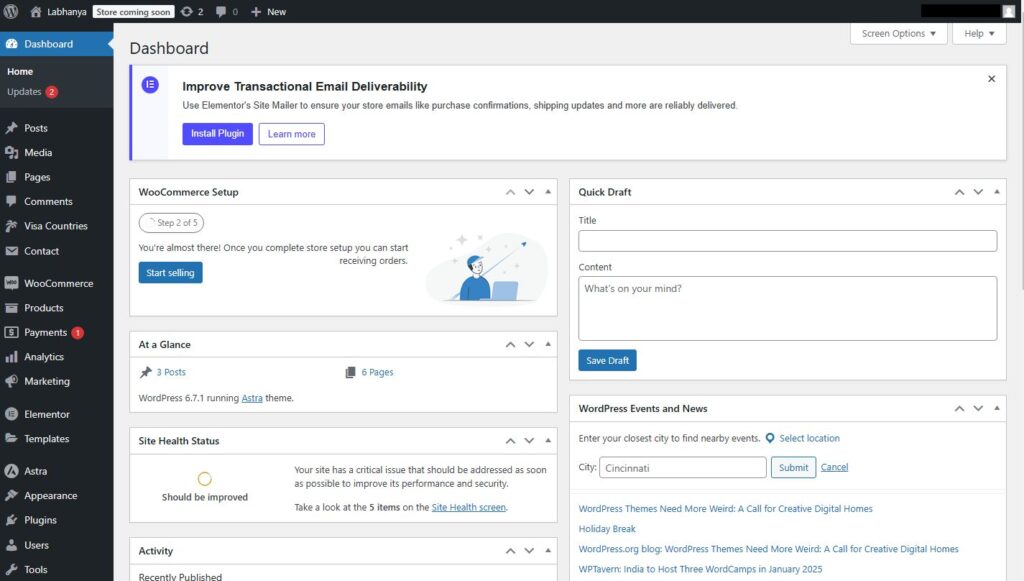
WordPress remains the most popular CMS platform worldwide, powering more than 40% of all websites on the internet. In 2025, it continues to be a powerhouse for website development, offering unparalleled ease of use, flexibility, and scalability.
WordPress stands out because it provides a vast ecosystem of plugins and themes, allowing developers and non-technical users alike to create customized websites. Whether you’re focusing on Digital marketing, Social Media Marketing, or Search Engine Optimization (SEO), WordPress has dedicated plugins for each, making it a top choice for businesses looking to establish a strong online presence.
Additionally, WordPress is highly compatible with various Email Marketing tools, enabling seamless integration of newsletters and automated email campaigns. The platform’s extensive SEO features also ensure that your website is optimized for search engines, giving you an edge in digital marketing efforts.
Pros:
- Easy to use and highly customizable
- Large plugin and theme marketplace
- Excellent SEO capabilities
- Strong community support
Cons:
- Can become slow if overloaded with plugins
- Regular updates are required for security
2. Joomla – The Versatile and Robust CMS
Joomla is another widely used CMS platform, offering a middle ground between WordPress and Drupal. It’s a great choice for developers who want more control over the functionality of their website without the steep learning curve of Drupal. Joomla is highly adaptable for website development, allowing businesses to create websites for various industries, including education, e-commerce, and social networking.
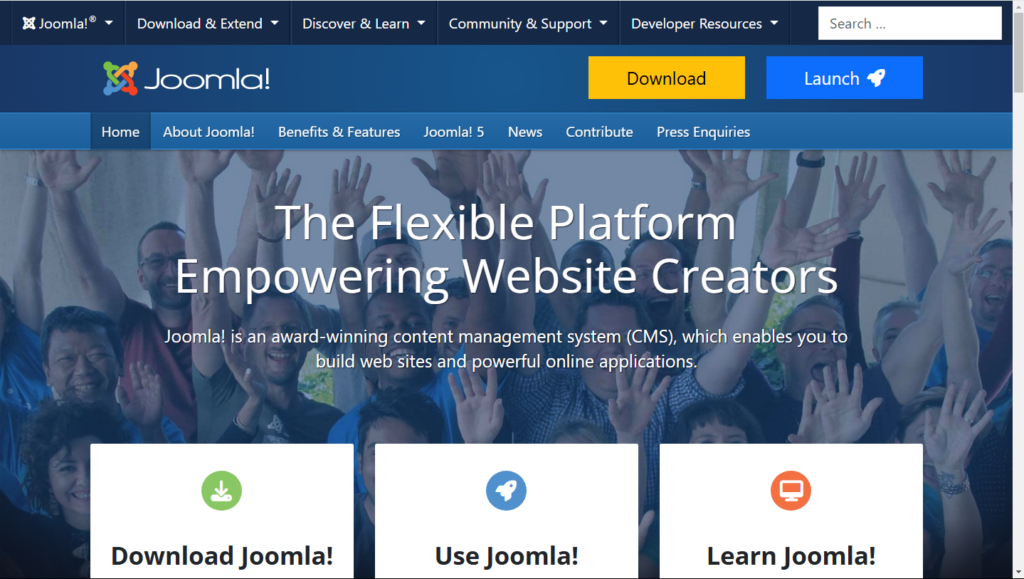
Joomla offers strong SEO tools and extensions that enhance your website’s visibility in search engines. With its comprehensive user management system, it is ideal for websites requiring multiple user roles or membership-based features. Additionally, Joomla supports seamless integration with Digital marketing tools and platforms, making it suitable for businesses focused on generating leads and conversions.
Pros:
- Flexible and extensible
- Good for complex, content-heavy websites
- Built-in SEO tools
- Strong community support
Cons:
- Can be difficult for beginners
- Limited third-party support compared to WordPress
3. Drupal – The Developer’s Choice for Complex Websites
For those who need a more robust and scalable solution for website development, Drupal is a great option. This CMS platform is particularly suited for large-scale websites that require high levels of customization, security, and scalability. Whether you’re creating a content-rich portal, an e-commerce site, or a large enterprise website, Drupal provides the tools to build and manage complex online environments.
Drupal’s built-in SEO features ensure that your site is optimized for search engines, and its flexibility allows for smooth integration with Social Media Marketing tools and Email Marketing campaigns. However, Drupal’s steep learning curve makes it better suited for experienced developers or businesses with dedicated development teams.
Pros:
- Highly scalable and customizable
- Strong security features
- Excellent for large, complex websites
Cons:
- Steep learning curve for beginners
- Requires technical expertise to manage effectively
4. Wix – The Drag-and-Drop Website Builder
Wix is a popular CMS platform for website development among small businesses and individuals looking for a simple, intuitive way to build websites. Its drag-and-drop interface allows users to create beautiful websites without any coding knowledge. With a range of customizable templates and design elements, Wix makes website development accessible to everyone.
In terms of Digital marketing and SEO, Wix has made significant improvements in recent years. The platform now offers a range of tools to help users optimize their websites for search engines, including customizable meta tags, alt text for images, and an integrated blog feature. Wix also supports Email Marketing integration, allowing businesses to stay connected with their audience.
Pros:
- Easy to use, no coding required
- A wide selection of templates
- Good for small businesses and personal websites
Cons:
- Limited scalability for large websites
- Less flexibility compared to open-source platforms
5. Shopify – The E-Commerce CMS Platform
If you’re focused on website development for an online store, Shopify is the go-to CMS platform. Shopify is tailor-made for e-commerce, simplifying the process for businesses to build, oversee, and expand their online stores. With its user-friendly interface, extensive integrations, and powerful features, Shopify allows businesses to sell products online with ease.

The platform offers excellent tools for Search Engine Optimization, helping your e-commerce site rank higher in search engines. Shopify’s seamless integration with Social Media Marketing platforms like Facebook and Instagram makes it ideal for businesses looking to expand their reach and drive traffic to their online stores. Additionally, Shopify provides a range of Digital marketing tools and integrates well with various Email Marketing services.
Pros:
- Built specifically for e-commerce
- Easy to set up and use
- Strong SEO capabilities
- Extensive app marketplace
Cons:
- Monthly fees
- Limited customization options compared to open-source platforms
6. Squarespace – Beautiful Websites with Minimal Effort
Squarespace is another popular CMS platform for website development that caters to individuals and small businesses looking for an aesthetically pleasing, easy-to-use platform. Known for its sleek templates and drag-and-drop interface, Squarespace is ideal for artists, photographers, bloggers, and other creatives who want to showcase their work online.
Squarespace’s built-in SEO tools allow users to optimize their websites for search engines, while its integration with Social Media Marketing platforms ensures that businesses can effectively promote their content on social media channels. Additionally, Squarespace supports Email Marketing, providing an all-in-one solution for building a website and running marketing campaigns.
Pros:
- Beautiful templates for visually-driven websites
- Easy to use, no technical skills required
- Great for creatives and small businesses
Cons:
- Limited third-party integrations
- Less flexibility than other platforms like WordPress
7. Webflow – For Designers and Developers
Webflow is a special CMS platform for building websites that works well for both designers and developers.. It combines the visual design capabilities of a website builder with the flexibility of a traditional CMS, allowing users to design and build responsive websites without any coding knowledge. However, developers can also take full control of the code for greater customization.
Webflow offers advanced SEO tools, including the ability to edit meta tags, set redirects, and create sitemaps. Its integration with Email Marketing platforms and Social Media Marketing tools makes it a solid choice for businesses focused on creating high-performance websites with strong marketing integrations.
Pros:
- High level of design customization
- No coding required for designers
- Strong SEO and marketing features
Cons:
- Steep learning curve for beginners
- Expensive pricing plans
8. BigCommerce – The E-Commerce Powerhouse
For businesses looking to build a highly functional, scalable online store, BigCommerce stands out as a powerful CMS platform for website development. This platform is specifically tailored for e-commerce businesses and is designed to help merchants sell products across multiple channels, including their website, social media, marketplaces like Amazon and eBay, and more.
BigCommerce provides an easy-to-use interface with a range of customizable templates and design tools. It’s ideal for businesses looking to scale quickly, as it supports a wide variety of features, including advanced product management, inventory tracking, and seamless payment gateway integrations. Whether you’re focusing on Digital marketing, Social Media Marketing, or Search Engine Optimization, BigCommerce offers extensive tools and built-in integrations to support these efforts.

The platform’s SEO features are robust, offering the ability to optimize meta tags, URL structures, image alt text, and more. BigCommerce also integrates with a wide variety of Email Marketing services, enabling businesses to send targeted campaigns and drive conversions.
Pros:
- Built specifically for e-commerce businesses
- Supports multi-channel selling
- Comprehensive SEO and Digital marketing tools
- Scalable and flexible for growing businesses
Cons:
- More expensive than other platforms
- Less design flexibility compared to fully customizable platforms like WordPress
BigCommerce is an excellent choice for businesses aiming to build and grow a successful online store while leveraging powerful SEO, Social Media Marketing, and Email Marketing strategies. Its robust features make it one of the top CMS platforms for website development, particularly for those in the e-commerce space.
9. Typo3 – The Enterprise-Grade CMS
Typo3 is a powerful, open-source CMS designed for enterprise-level website development that require advanced features, complex workflows, and high levels of security. It is often used by large corporations and organizations with high traffic and intricate content management needs. Typo3 allows businesses to manage large volumes of content while maintaining optimal performance and user experience.
One of Typo3’s standout features is its strong multi-language support, making it ideal for businesses with a global presence. In terms of website development, Typo3 integrates well with Social Media Marketing and Digital marketing tools to help businesses optimize their online presence. The platform also has built-in SEO functionalities that assist in improving your website’s search engine rankings.
Pros:
- Great for large-scale enterprise websites
- Strong multi-language capabilities
- Excellent security features
Cons:
- Complex to use and requires technical expertise
- Limited support from third-party extensions
10. Craft CMS – The Developer’s Favorite
Craft CMS is a flexible, developer-friendly CMS platform that allows for high customization and control over the design and functionality of your website. It’s widely used by agencies and freelance developers who want to create unique, tailored websites without the constraints of other CMS platforms. While Craft CMS provides a strong foundation for website development, it also requires a solid understanding of web development practices.
Craft CMS offers a user-friendly content management interface, making it easy for non-technical users to update and manage website content. In terms of SEO, Craft CMS allows full control over metadata and URL structure, which is essential for optimizing your website for search engines. Craft CMS also integrates well with Email Marketing platforms, making it a strong contender for websites focused on conversions and engagement.
Pros:
- Highly customizable and flexible
- Excellent for developers who want control over the website’s design
- Good SEO capabilities
Cons:
- Requires technical expertise to fully utilize
- Less user-friendly than other platforms like WordPress
Conclusion
In 2025, there are many CMS platforms for website development, each offering its own strengths and unique features. The right CMS depends on your website’s goals, your technical expertise, and the type of website you want to create. For small businesses and individuals, platforms like Wix and Squarespace offer ease of use and beautiful templates. For more complex, scalable solutions, WordPress and Drupal stand out as top choices. Shopify is the best option for those looking to build an e-commerce site, while Webflow offers a great balance for both designers and developers.
When choosing the best CMS platform for website development, it’s essential to consider not only the ease of use and design flexibility but also how well the platform integrates with your Digital marketing, Social Media Marketing, and SEO strategies. Optimizing your website for search engines, leveraging social media platforms for promotion, and integrating effective Email Marketing tools will all contribute to your website’s success.
For businesses looking for comprehensive Digital marketing services, consider partnering with Labhanya Technologies. Their expertise in Search Engine Optimization, Social Media Marketing, and Website Development will help you build and promote a website that drives results. Visit the following links for more information:
- Digital Marketing Services
- Social Media Marketing
- Search Engine Optimization
- Web Development
- Facebook Advertising
- Instagram Advertising
- YouTube Marketing
- Domain Checker
Additionally, you can check out this guide on choosing the right CMS to further enhance your website development journey.By selecting the right CMS and leveraging the best Digital marketing strategies, you can ensure that your website not only meets your development needs but also drives traffic and conversions effectively.
Frequently Asked Questions
What is CMS in website development?
CMS stands for Content Management System. It is a tool that helps you create, manage, and update content on your website without needing to know how to code. When it comes to CMS platforms for website development, these systems make it easy for both beginners and experienced developers to build websites efficiently.
What is the most common CMS used?
The most common CMS used is WordPress. It’s popular because it’s easy to use and offers a lot of features. WordPress is one of the leading CMS platforms for website development, trusted by millions of websites worldwide.
What is the best CMS for my website?
The best CMS depends on your needs. If you want something simple, Wix or Squarespace might be a good choice. For a more flexible, customizable site, WordPress or Joomla could be better. It’s essential to explore various CMS platforms for website development to determine which one suits your specific requirements.
What is the fastest growing CMS?
Webflow is one of the fastest-growing CMS platforms. It’s becoming popular because it allows you to design websites easily and with a lot of creative control.
Do web developers use CMS?
Yes, web developers often use CMS platforms to help build websites more efficiently. CMS platforms for website development make it easier to manage and update the site after it’s built.
Is Google Sites a CMS?
Yes, Google Sites is a simple CMS that lets you create basic websites. It’s easy to use but lacks advanced features compared to other CMS platforms.
What is a CMS example?
An example of a CMS is WordPress, Joomla, or Shopify. These platforms help you create and manage websites.
What is a CMS page on a website?
A CMS page is a webpage that is created and managed using a Content Management System. These pages are easy to update without coding knowledge.
What is the purpose of CMS?
The purpose of a CMS is to make it easy for people to create, manage, and update their websites without needing to know how to code.
What is HTML and CMS?
HTML (HyperText Markup Language) is the code used to create webpages. A CMS helps you manage and update content on your website, often without needing to write HTML.
Is WordPress still the best CMS?
Yes, WordPress is still one of the best CMS platforms, especially for beginners. It’s easy to use and has many features for all kinds of websites. As one of the most popular CMS platforms for website development, WordPress continues to dominate the website development landscape.