
The Future of Website Development is an exciting and dynamic subject that continues to evolve at a rapid pace. With advancements in technology and changing user expectations, website development is no longer just about creating visually appealing websites but also about offering highly functional, accessible, and secure platforms that cater to diverse needs. In this article, we delve deep into the trends and innovations shaping the future of website development.
Why Website Development Matters
Website development forms the backbone of online presence for businesses, individuals, and organizations. A well-developed website serves as a platform for branding, marketing, and customer engagement. Businesses across industries, especially those invested in Digital Marketing, Social Media Marketing, Search Engine Optimization (SEO), and Email Marketing, rely on websites to drive growth and visibility.
Emerging Technologies Shaping the Future of Website Development
Artificial Intelligence and Machine Learning
Artificial Intelligence (AI) and Machine Learning (ML) are revolutionizing website development. These technologies enable websites to offer personalized experiences by analyzing user behavior and preferences. AI-powered chatbots and virtual assistants provide 24/7 customer support, enhancing user engagement.
Progressive Web Apps (PWAs)
Progressive Web Apps combine the best of websites and mobile apps. They are fast, reliable, and work seamlessly across various devices. As businesses aim to provide superior user experiences, PWAs are becoming a preferred choice in the future of website development.
Voice Search Optimization
With the rise of smart speakers and voice assistants like Alexa and Siri, voice search is transforming how users interact with websites. Websites optimized for voice search can significantly enhance accessibility and user convenience.
Blockchain Technology
Blockchain’s potential goes beyond cryptocurrencies. In website development, it ensures secure data transactions, protects user information, and enables decentralized platforms. This technology is particularly useful for e-commerce and financial websites.
Key Trends Driving the Future of Website Development
Mobile-First Design
As mobile usage surpasses desktop, mobile-first design is becoming essential. Websites must be responsive, load quickly, and provide seamless experiences on smaller screens.
Low-Code and No-Code Platforms
These platforms empower non-developers to create functional websites without extensive coding knowledge. As a result, businesses can save time and resources while maintaining flexibility in design and functionality.
Cloud Hosting and Edge Computing
Cloud hosting solutions provide scalability and reliability for websites, while edge computing brings data processing closer to users. Together, they improve website speed, performance, and uptime.
Enhanced Security Measures
Cybersecurity threats are a growing concern. The future of website development prioritizes robust security measures like SSL certificates, two-factor authentication, and regular security audits.
The Role of SEO in Website Development
Search Engine Optimization (SEO) plays a crucial role in driving organic traffic to websites. Developers must collaborate with SEO experts to ensure that websites are optimized for search engines. Factors like site speed, mobile-friendliness, and structured data are vital for effective SEO.
The Integration of Digital Marketing Strategies
Website development is closely tied to Digital Marketing, Social Media Marketing, and Email Marketing strategies. Websites act as the central hub for online campaigns, and developers must ensure they support these initiatives effectively. Integration with analytics tools and CRM systems is also vital for tracking and optimizing marketing efforts.
Future Innovations to Watch For
Augmented Reality (AR) and Virtual Reality (VR)
AR and VR are set to redefine user interaction on websites. From virtual try-ons for e-commerce to immersive experiences for real estate, these technologies offer endless possibilities.
Automation and IoT
Automation in website maintenance and the integration of the Internet of Things (IoT) will enable smarter, more connected websites that adapt to user needs in real-time.
Sustainable Web Development
As sustainability becomes a global priority, green web hosting and energy-efficient coding practices are gaining traction in the future of website development.
The future of web development in 2030?
The future of web development in 2030 is expected to be shaped by advancements in technology, changing user expectations, and emerging trends. Here are some key predictions for the state of web development in 2030:
1. AI-Driven Development
- Generative AI: Tools like ChatGPT will evolve further, enabling developers to automate complex coding tasks, design user interfaces, and debug code efficiently.
- Personalized Experiences: Websites will leverage AI to deliver highly customized user experiences based on behavior, preferences, and real-time data.
2. Decentralized Web (Web3)
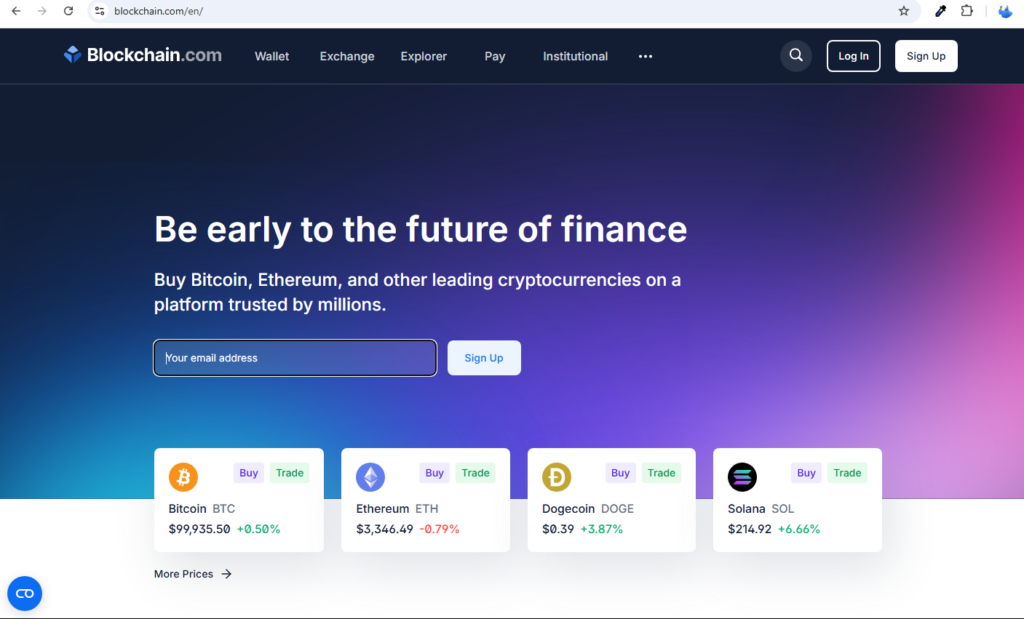
- Blockchain Integration: Decentralized applications (dApps) will be more common, with blockchain technologies enabling secure and transparent transactions. Here are examples of blockchain platforms : Bitcoin is a decentralized cryptocurrency for secure peer-to-peer transactions, Ethereum supports smart contracts and decentralized applications, Binance Smart Chain offers a fast and low-cost blockchain for DeFi.
- Decentralized Storage: Technologies like IPFS (InterPlanetary File System) will reduce reliance on centralized servers.
3. No-Code and Low-Code Platforms
- Non-developers will have more access to create sophisticated web applications, reducing the barrier to entry for building websites and apps.
- Developers will focus more on creating advanced features and backend optimizations as basic tasks become more accessible.
4. Progressive Web Applications (PWAs)
- PWAs will dominate as they offer a hybrid experience between web and native apps, delivering high performance, offline access, and better cross-platform compatibility.
- Browser capabilities will expand, enabling more native-like features for PWAs.
5. Enhanced User Interfaces
- 3D and AR/VR Experiences: Web technologies like WebXR will make immersive experiences a standard for industries like e-commerce, education, and gaming.
- Voice and Gesture Controls: Interfaces will shift from traditional clicks and taps to voice commands and gestures, offering more intuitive interactions.
6. Hyper-Personalization
- Web development will integrate advanced data analytics and AI to create unique, user-specific experiences, anticipating user needs and preferences.
7. Sustainability
- Energy-efficient coding practices and green hosting solutions will become mainstream as environmental concerns grow.
- Websites will optimize for low resource consumption, especially with the rise of lightweight frameworks.
8. Quantum Computing
- While still in its infancy, quantum computing could impact encryption, data processing, and algorithms, requiring web developers to adapt to new paradigms.
9. Cybersecurity Focus
- Security will be a top priority, with advances in encryption, multi-factor authentication, and real-time threat detection.
- Decentralized identity (self-sovereign identity) will reduce dependency on centralized authentication systems.
10. Interoperability and Global Standards
- Cross-platform and cross-device compatibility will become seamless, driven by evolving web standards and better integration of APIs.
- Global collaboration on accessibility standards will ensure more inclusive digital spaces.
11. IoT Integration
- Websites will serve as hubs for managing Internet of Things (IoT) devices, with advanced integrations and real-time monitoring.
12. 5G and Beyond

- High-speed internet will enable richer, more interactive web experiences with minimal latency, enhancing everything from streaming to online gaming.
13. Developer Specialization
- With increasing complexity, developers will specialize in niches like AI integration, blockchain, AR/VR, and cybersecurity, making collaboration and cross-disciplinary knowledge essential.
In summary, the web development landscape in 2030 will prioritize immersive experiences, automation, and sustainability, with a strong emphasis on decentralization, personalization, and security. Web developers will need to stay adaptive and continually update their skills to thrive in this dynamic environment.
Why Choose Labhanya Technologies for Digital Marketing Services
Labhanya Technologies is a trusted name in the industry, offering a range of services like Digital Marketing, Social Media Marketing, Search Engine Optimization (SEO), and Website Development. Their expertise ensures that your website not only meets industry standards but also exceeds expectations in terms of performance and user experience.
To explore their services, visit:
- Digital Marketing Services
- Social Media Marketing
- Search Engine Optimization
- Web Development
- Facebook Advertising
- Instagram Advertising
- YouTube Marketing
- Domain Checker
In conclusion, the future of website development is vibrant and full of opportunities. By embracing the latest technologies, staying updated on trends, and collaborating with experts like Labhanya Technologies, businesses can build websites that not only captivate users but also