
Starting a business is an exciting journey, but I’ve learned through trial, error, and a fair share of struggles that success requires more than just a great idea. It requires a well-crafted Digital Marketing Strategy for Startups. In this article, I’ll share insights based on my own experiences of starting multiple businesses and the lessons that helped me develop a foolproof strategy for startups.

1. Introduction: Why Every Startup Needs a Digital Marketing Strategy
Understanding how to create a Digital Marketing Strategy for Startups isn’t just about gaining visibility; it’s about creating meaningful connections with your target audience, building trust, and driving sustainable growth. For startups, where every dollar counts, an effective strategy ensures that your marketing efforts are targeted and impactful.
When I launched my first startup, I underestimated the power of how to create a digital marketing strategy for a startup. I thought a great product would sell itself, but reality hit hard. Today’s world is digital-first, and without a clear marketing plan, even the most innovative startups can fail to reach their audience.
2. What Is a Digital Marketing Strategy? A Beginner’s Guide
Learning how to create a digital marketing strategy for a startup involves much more than just posting on social media or running ads. It’s about developing a comprehensive plan that outlines how your startup will achieve its marketing goals through various online platforms and tools.
Through my experiences, I’ve learned that a solid strategy integrates key elements:
- Clear objectives (e.g., brand awareness, lead generation, sales).
- Understanding your audience and their needs.
- Choosing the right channels and tactics.
- Regularly analyzing and optimizing results.
For startups, this means thinking lean and smart. Focus on what works, and avoid spreading yourself too thin.
3. Understanding your target audience
When I first started, I made the mistake of marketing to “everyone.” It didn’t work. Over time, I learned that understanding your target audience is the foundation of any successful digital marketing strategy.
To get this right, ask yourself:
- Who is my ideal customer?
- What problems are they trying to solve?
- Where do they spend time online?
- How can I provide value to them?
Tools like surveys, customer interviews, and social media insights can help you gather data. The better you know your audience, the more effectively you can craft messages that resonate with them.
4. Setting Clear Marketing Goals for Your Startup
Without clear goals, your marketing efforts will lack direction. In the early days of my businesses, I often jumped from one tactic to another, hoping for results. However, it wasn’t until I focused on how to create a digital marketing strategy for a startup with measurable goals that I began to see real progress.
Use the SMART framework:
- Specific: Define exactly what you want to achieve (e.g., “Increase website traffic by 50% in 3 months”).
- Measurable: Track your progress using analytics tools.
- Achievable: Set realistic goals based on your resources.
- Relevant: Ensure goals align with your overall business objectives.
- Time-bound: Set deadlines to maintain focus.
Start with small, achievable goals and build on them as you grow. For instance, your first goal might be to attract 1,000 followers on social media or generate 100 email subscribers.
5. Crafting Your Brand Identity: Standing Out in a Crowded Market
In my early ventures, I underestimated the importance of branding. Your brand is your startup’s personality—it’s how customers perceive you and what sets you apart from competitors.
To craft a compelling brand identity, consider these elements:
- Mission and Values: What does your startup stand for?
- Visual Identity: Consistent logos, colors, and fonts make your brand recognizable.
- Voice and Tone: Define how you communicate (e.g., professional, friendly, witty).
- Unique Value Proposition: What makes your product or service different?
I’ve found that authenticity is key. Share your story, showcase your passion, and connect with your audience on a human level. This not only builds trust but also fosters loyalty in the long run.
6. The Key Components of a Startup Digital Marketing Plan
Creating a digital marketing plan can feel overwhelming, but learning how to create a digital marketing strategy for a startup becomes manageable when you break it into key components. Through trial and error, I’ve discovered these essential elements that every startup must prioritize:
Content Marketing
Content is king. Whether it’s blog posts, videos, or infographics, valuable content builds trust and drives organic traffic. For instance, when launching a sustainable fashion brand, I wrote blog posts about eco-friendly lifestyle tips. This positioned my startup as an authority while attracting like-minded customers.
Social Media Marketing

Social platforms are where your audience spends their time, making them a critical part of how to create a digital marketing strategy for a startup. It’s essential to focus on platforms that align with your audience’s preferences. For instance, Instagram worked wonders for my fashion startup by showcasing visually appealing content, while LinkedIn proved ideal for reaching decision-makers in my B2B software venture.
Know more about Social Media Marketing
Email Marketing
Email has consistently given me one of the highest ROIs. Build a mailing list early, and send regular updates, offers, and valuable content. Tools like Mailchimp or Klaviyo make it easy.
Here is a complete article on Email Marketing that can help
Pay-Per-Click (PPC) Advertising
When I needed quick visibility, PPC ads were a lifesaver. Platforms like Google Ads or Facebook Ads allow you to target specific audiences effectively. Start small, test different campaigns, and scale what works.
Search Engine Optimization (SEO)
SEO is a long game, but it pays off. Optimizing my website with targeted keywords helped my businesses climb search rankings, generating free, consistent traffic.
Affiliate Marketing
Affiliate marketing is a powerful and cost-effective strategy, especially when learning to create a digital marketing strategy for a startup. It allows you to leverage a network of individuals or businesses (affiliates) to promote your products or services in exchange for a commission on sales.
Read this article if you want to know how you can start Affiliate Marketing without money
7. How to Choose the Right Digital Marketing Strategy for Startups
With countless digital marketing channels available, choosing the right ones can be daunting. The trick is focusing on where your audience spends their time and what aligns with your startup’s goals.
B2B Example:
For my B2B software startup, LinkedIn and email were goldmines. They allowed me to reach decision-makers directly and nurture leads.
B2C Example:
For my D2C e-commerce business, Instagram and Pinterest were ideal for showcasing product visuals and running influencer campaigns.
Pro Tip: Start with 2–3 channels, master them, and then expand. Experiment with A/B testing to see which platform delivers the best ROI.
8. Building an Effective Content Marketing Strategy
Content marketing is about more than just blogging—it’s about solving problems for your audience and providing real value. When I was learning to create a digital marketing strategy for a startup, I realized the power of addressing my audience’s specific needs. For example, while building a wellness app, I created content that tackled common health concerns. This included:
- Blog posts like “5 Morning Habits to Boost Productivity” to engage readers with actionable tips.
- Short videos and Instagram Reels that offered quick wellness advice, driving both engagement and downloads for the app.
Key Elements of an Effective Content Strategy:
- Understand Your Audience: Create content that resonates with their interests and pain points.
- Quality Over Quantity: One great blog post or video is better than ten mediocre ones.
- Repurpose Content: Turn a blog post into a video, infographic, and social media snippets to maximize reach.
- Use Analytics: Platforms like Google Analytics or social media insights help refine what works.
9. SEO for Startups: A Step-by-Step Guide
SEO (Search Engine Optimization) is a crucial part of learning to create a digital marketing strategy for a startup because it helps startups get discovered online organically. It’s a game-changer when done right. For instance, optimizing my website for long-tail keywords like “affordable coworking spaces for startups in New York” helped one of my businesses rank on the first page of Google, driving consistent and valuable traffic.
Step 1: Keyword Research
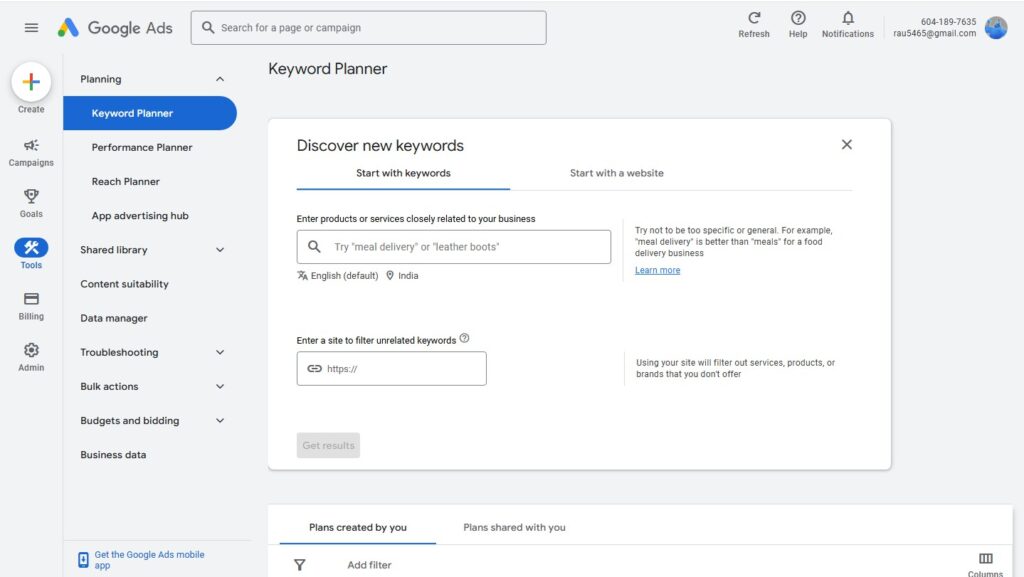
Use tools like Google Keyword Planner or Ubersuggest to find relevant, low-competition keywords.
Step 2: On-Page SEO
- Optimize titles, headings, and meta descriptions with your target keywords.
- Use internal and external links to improve site structure and credibility.
- Ensure mobile-friendliness and fast loading speeds.
Step 3: Off-Page SEO
- Build backlinks by collaborating with bloggers, writing guest posts, or listing your business in directories.
Step 4: Monitor and Improve
Track rankings and traffic using tools like Ahrefs or SEMrush. Adjust your strategy as needed.
10. The Power of Social Media in Startup Marketing
Social media isn’t just about posting—it’s about building relationships. For my startups, social media became a powerful tool for creating a loyal community and boosting sales.
Engagement Is Key
Don’t just post and forget—engage with your audience by responding to comments, asking questions, and starting conversations. This approach is vital when learning to create a digital marketing strategy for a startup. For instance, when I launched a food delivery app, I used Instagram polls to let followers vote on menu ideas. This boosted engagement and made them feel personally connected to the brand, fostering loyalty and trust.
Leverage Influencers
Influencers, even micro-influencers, can amplify your reach. I partnered with niche influencers to showcase my sustainable products, which led to a significant boost in sales.
Run Contests and Giveaways
Contests are a great way to gain followers and drive engagement. For example, a simple “Tag 3 friends to win a free product” campaign helped me grow my audience exponentially.
By focusing on these five areas, you’ll have the tools and strategies to create a strong, sustainable digital marketing presence for your startup. Through a mix of creativity, data-driven decision-making, and consistent effort, your startup can thrive in the competitive digital landscape.
11. Using Paid Ads to Drive Quick Results: Tips for PPC Success
Paid ads can deliver immediate results when executed correctly. I learned the hard way that throwing money at ads without a strategy is a fast way to burn your budget. Through trial and refinement, I found what works best:
Key Tips for PPC Success
- Start Small: Begin with a modest budget and test campaigns. For my SaaS startup, I started with $500/month on Google Ads, targeting specific keywords like “small business project management tools.”
- Target Precisely: Use audience targeting features to focus on age, location, interests, and behaviors. Facebook’s audience insights helped me zero in on my ideal demographic for an e-commerce business.
- A/B Testing: Test different ad creatives and copy to see what resonates most.
- Optimize Continuously: Use analytics to track click-through rates (CTR) and conversion rates, tweaking underperforming ads.
Paid ads are excellent for driving traffic and generating leads quickly, but combining them with organic strategies is crucial for sustainability.
12. Leveraging Analytics to Refine Digital Marketing Strategy for Startups
Analytics are your best friend when you are learning to create a Digital Marketing Strategy for Startups. Early on, I relied on intuition for decision-making, which often resulted in wasted effort. However, once I started using tools like Google Analytics, Facebook Insights, and Hotjar, I could make data-driven decisions that significantly improved my results, helping me focus on strategies that truly worked.
Important Metrics to Track:
- Traffic Sources: Know where your visitors are coming from (organic, social, email, or paid).
- Conversion Rates: Understand what percentage of visitors are taking desired actions like signing up or purchasing.
- Bounce Rate: If people leave your site quickly, your content or UX needs improvement.
- Customer Lifetime Value (CLV): Measure how much revenue a customer brings over their lifetime.
For example, I noticed high bounce rates on my landing page. By simplifying the design and adding a clear CTA, I reduced bounce rates by 25%.
13. Budgeting for Digital Marketing: Tips for Startups
One of the hardest lessons I learned was managing marketing budgets. Startups often have limited funds, so every dollar must be spent wisely.
Steps to Create a Budget:
- Set Priorities: Allocate funds to high-impact channels. For my health app, 60% of the budget went to SEO and content creation, 30% to PPC, and 10% to email marketing.
- Start Small and Scale: Test strategies with smaller budgets and invest more in what works.
- Use Free Tools: Leverage free resources like Canva (design), Buffer (social media scheduling), and Google Analytics.
- Track ROI: Regularly analyze campaign performance to avoid wasting resources.
Budgeting forces you to focus on tactics that deliver the best return, ensuring efficient use of resources.
14. Common Digital Marketing Mistakes Startups Make and How to Avoid Them
I’ve made plenty of mistakes, but each one taught me valuable lessons. Here are the most common pitfalls and how to sidestep them:
- Skipping Audience Research: Without understanding your audience, your efforts will miss the mark.
- Ignoring Mobile Users: Mobile optimization is non-negotiable. Over 70% of my site traffic now comes from mobile users.
- Chasing Trends Without Strategy: Stick to tactics that align with your goals instead of jumping on every new trend.
- Underestimating SEO: In one venture, ignoring SEO meant we lost months of organic growth. Start early!
- Neglecting Analytics: Guessing doesn’t work—track, measure, and optimize.
By learning from these mistakes, I refined my strategies and achieved better results.
15. Growth Hacking vs. Traditional Marketing: What’s Right for Your Startup?
Growth hacking has become a buzzword in the world of startups, but it’s not a replacement for traditional marketing—it’s an enhancement. When learning to create a Digital Marketing Strategy for Startups, I found that both approaches have their place, depending on the stage of the business. Growth hacking is excellent for rapid experimentation and scaling in the early stages, while traditional marketing supports long-term brand building and stability as the business grows.
Growth Hacking:
- Focuses on rapid experimentation and scalable tactics.
- Perfect for startups in the early stages seeking fast growth.
- Example: Offering referral discounts helped my app achieve 1,000 downloads in the first week.
Traditional Marketing:
- Focuses on brand building and long-term strategies.
- Better suited for later stages when stability is a priority.
- Example: Running consistent blog content improved my site’s SEO over a year.
Start with growth hacking tactics to gain momentum, then transition to traditional methods for sustained growth.
16. Case Studies: Successful Startups and Their Digital Marketing Strategies
Learning from successful startups was crucial for my journey. Here are two real-world examples that inspired me:
Dropbox:
Their referral program offered extra storage for both referrer and referee, resulting in a 60% increase in signups. Inspired by this, I implemented a similar strategy in my SaaS startup, which boosted new users by 40%.
Glossier:
Glossier built a loyal community through user-generated content and social proof. By encouraging my customers to share their experiences on social media, I gained free marketing and increased sales.
17. Final Tips for Creating a Winning Digital Marketing Strategy
After years of experimentation, here are my top tips for startups:
- Start Small: Test strategies before scaling.
- Focus on Value: Always ask, “What’s in it for the customer?”
- Stay Consistent: Marketing results take time—don’t give up too soon.
- Be Agile: Trends change, so be ready to pivot when needed.
18. Conclusion: Turning Your Startup into a Digital Success Story
A well-thought-out digital marketing strategy can transform your startup. By understanding your audience, setting clear goals, and focusing on data-driven decisions, you’ll build a solid foundation for success.
Remember, success doesn’t come overnight. Be patient, adapt to challenges, and keep learning. With dedication, your startup can not only survive but thrive in the digital world.