
When embarking on the journey of building a website, the first question often asked is, “What is the Best Website Development Platform?” The platform you choose plays a crucial role in determining your website’s functionality, scalability, and ease of use. With numerous options available, selecting the right one can be overwhelming. This article will guide you through the key factors to consider when choosing the Best Website Development Platform for your needs.

Why Your Choice of Platform Matters
Your website serves as the digital face of your business. Whether you are venturing into Digital Marketing, Social Media Marketing, or planning to integrate advanced Search Engine Optimization (SEO) strategies, your website’s platform significantly impacts its performance. The right platform ensures:
- Customizability: Freedom to design and tailor the website according to your brand identity.
- Scalability: Ability to grow with your business.
- Ease of Use: Simplified management for content updates and maintenance.
- SEO Compatibility: Tools to enhance your online visibility.
- Integration Capabilities: Seamless connection with tools like Email Marketing platforms and analytics systems.
Key Factors to Consider
1. Purpose and Goals of Your Website
Before diving into the various platforms, define your website’s purpose. Are you launching an e-commerce store, a blog, or a service-oriented website? For instance, if your focus is on Website Development and offering Digital Marketing services, your platform must support interactive design and optimized content structures for SEO.
2. Ease of Use and Learning Curve
Consider who will manage the website. If you lack technical expertise, platforms like Wix or Squarespace provide intuitive drag-and-drop builders. For those with coding experience, WordPress offers unparalleled flexibility and customization.
3. SEO Features
An SEO-friendly platform is crucial for achieving online visibility. Features to look for include:
- Clean and customizable URLs.
- Mobile responsiveness.
- Fast loading times.
- Built-in analytics.
WordPress is often hailed as the Best Website Development Platform for its extensive SEO plugins, such as Yoast SEO.
4. Customization and Flexibility
Your platform should allow you to adapt your website to meet changing business needs. Open-source platforms like WordPress and Joomla provide extensive customization options, while proprietary platforms like Shopify and Wix may limit flexibility.
5. Cost and Budget
Your budget plays a significant role in determining the platform. Free platforms like WordPress offer flexibility but may require investment in hosting and premium themes. Paid platforms like Shopify include hosting but have recurring subscription fees.
6. E-commerce Capabilities
For online stores, platforms like Shopify, WooCommerce (on WordPress), and BigCommerce are excellent options. These platforms support:
- Secure payment gateways.
- Inventory management.
- Integration with Social Media Marketing tools for ad campaigns.
7. Support and Community
A robust support system is essential. Platforms like WordPress boast large communities, offering forums, tutorials, and plugins. On the other hand, proprietary platforms provide dedicated customer support.
Popular Website Development Platforms
WordPress
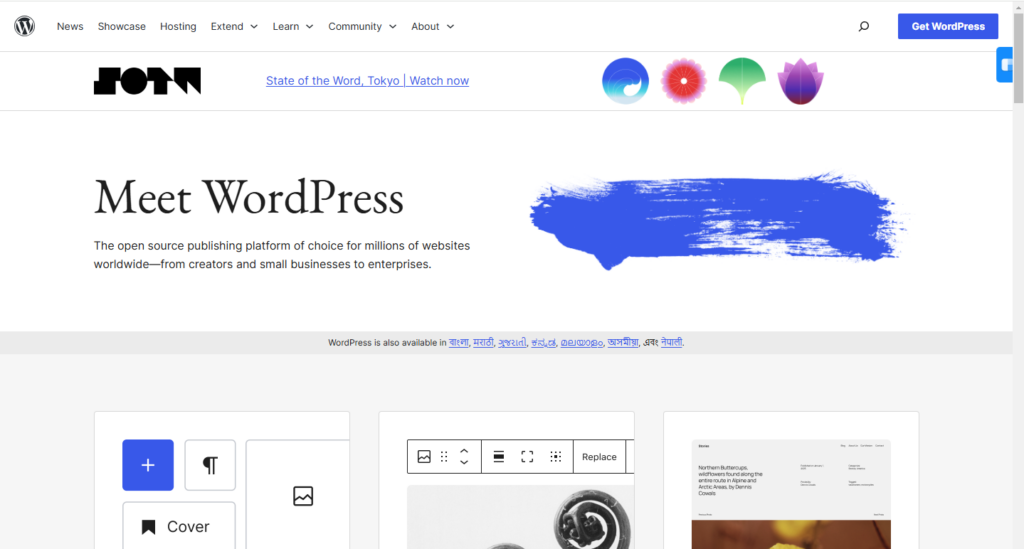
WordPress powers over 40% of websites worldwide, making it a favorite choice. It’s known for:
- Flexibility: Ideal for blogs, e-commerce, and Digital Marketing agencies.
- SEO Tools: Plugins like Yoast and RankMath simplify Search Engine Optimization.
- Extensive Plugins: Integrate functionalities like Email Marketing campaigns.

Shopify
Shopify is tailored for e-commerce businesses. Key features include:
- Secure payment systems.
- Easy integration with Social Media Marketing platforms.
- Mobile-optimized designs.
Wix
Wix is a beginner-friendly platform offering:
- Drag-and-drop design.
- Built-in SEO tools.
- Integration with Digital Marketing tools like email campaigns.
Squarespace
Squarespace is popular among creatives for its stunning templates. It offers:
- Beautiful, responsive designs.
- Integrated SEO tools.
- Simple blogging features.
Joomla
For those seeking more control without diving into extensive coding, Joomla provides:
- Advanced user management.
- Robust content management systems.
- Support for multilingual sites.
Steps to Choose the Best Website Development Platform
- Define Your Needs: Determine the features essential for your business, such as e-commerce capabilities, SEO, and scalability.
- Evaluate Costs: Compare the costs of hosting, subscriptions, and potential add-ons.
- Test Usability: Most platforms offer free trials. Use these to test their interfaces.
- Check Reviews: Explore reviews and case studies to gauge real-world performance.
- Seek Expert Advice: Consult a Website Development professional if unsure.
Recommendations for Digital Marketing Services
If you’re planning to boost your website’s visibility and drive traffic, Labhanya Technologies offers top-notch Digital Marketing, Social Media Marketing, and Search Engine Optimization (SEO) services. Their expertise ensures your website not only looks great but also performs well online.
Explore their services:
- Digital Marketing Services
- Social Media Marketing
- Search Engine Optimization (SEO)
- Website Development
- Facebook Advertising
- Instagram Advertising
- YouTube Marketing
- Domain Checker
Final Thoughts
Choosing the Best Website Development Platform is pivotal for your business’s success. By carefully evaluating your needs and considering factors like ease of use, SEO, and scalability, you can find the perfect fit. For professional assistance, trust Labhanya Technologies to help you create a high-performing website and enhance your online presence with their comprehensive Digital Marketing services. Start your journey today and achieve your business goals with confidence!