
In today’s rapidly evolving digital landscape, API Integration in Website Development plays a pivotal role in creating robust, efficient, and user-friendly web solutions. APIs (Application Programming Interfaces) enable seamless communication between different software systems, enhancing the functionality of websites and providing an enriched user experience. Whether you are developing an e-commerce platform, a content management system, or a social media app, API integration is a cornerstone of modern website development practices.
Understanding API Integration in Website Development
API integration involves the process of connecting different software applications using APIs to enable data exchange and functionality sharing. APIs act as intermediaries, allowing two systems to communicate without exposing their internal complexities. This capability is especially vital in website development, where diverse functionalities, such as payment gateways, third-party plugins, or CRM systems, must work harmoniously.
For example, when a website integrates a payment processor like PayPal or Stripe, it uses the API provided by these services to process transactions securely. Similarly, integrating Google Maps for location services or embedding social media feeds from platforms like Facebook and Instagram relies on API connections.
Benefits of API Integration in Website Development
1. Enhanced User Experience
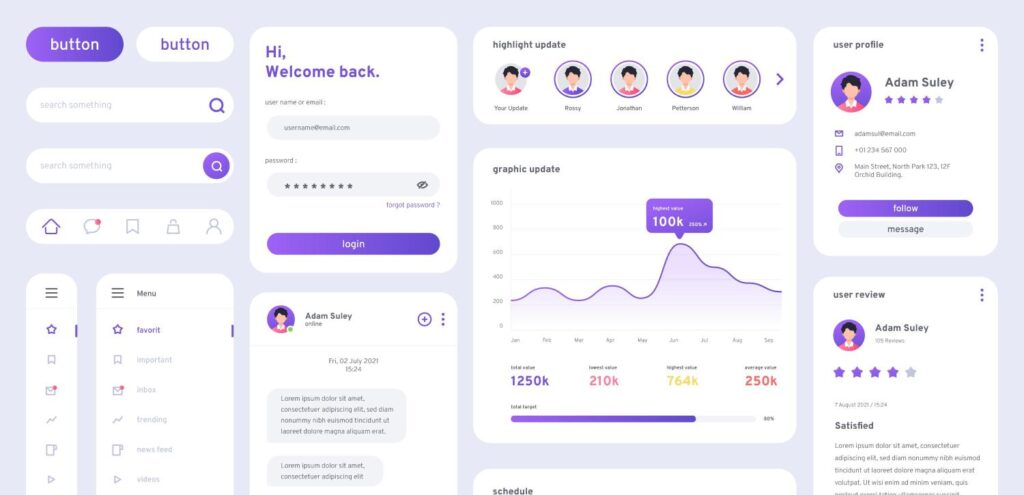
API integration allows websites to offer more personalized and interactive features. For instance, integrating analytics tools through APIs enables businesses to understand user behavior and make data-driven improvements to their websites.
2. Increased Efficiency
APIs automate tasks that would otherwise require manual intervention. For instance, APIs can automatically update stock levels on e-commerce websites by syncing with inventory management systems. This automation significantly enhances operational efficiency.
3. Cost and Time Savings
By leveraging APIs, developers can integrate pre-existing functionalities rather than building them from scratch. This reduces development time and costs, ensuring faster time-to-market.
4. Scalability
APIs make it easier to scale websites by adding new features or connecting to additional services as the business grows. This flexibility ensures long-term adaptability.
Types of API Integrations in Website Development
RESTful APIs
Representational State Transfer (REST) APIs are among the most widely used. They enable communication over the web using standard HTTP methods and are highly scalable and flexible.
SOAP APIs
Simple Object Access Protocol (SOAP) APIs are more rigid but offer enhanced security, making them suitable for applications requiring robust data protection, such as financial systems.
GraphQL APIs
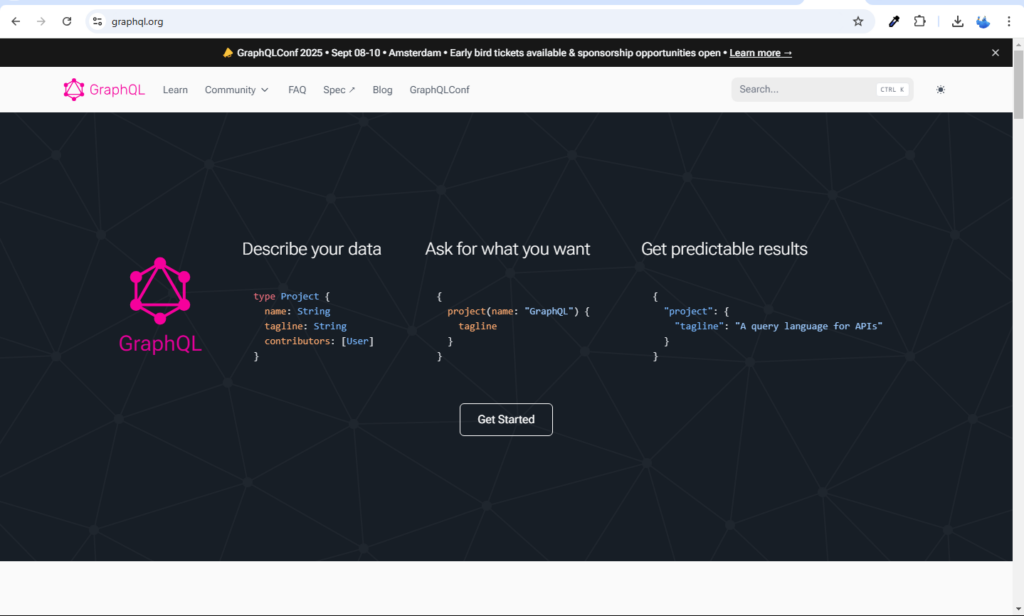
GraphQL APIs provide a more efficient way to fetch data, allowing clients to request exactly the data they need. This precision reduces overhead and improves performance.
Third-Party APIs
Many services offer their own APIs, such as Google, Facebook, and Twitter. These APIs allow integration of functionalities like login authentication, social media marketing features, and analytics.
Applications of API Integration in Website Development
1. E-commerce
In e-commerce websites, APIs enable integration with payment gateways, shipping providers, and inventory management systems. For instance, an online store can use APIs to display real-time shipping rates or update product availability.
2. Social Media
Websites often integrate social media marketing tools to enable users to share content or log in using their social media accounts. APIs also facilitate embedding social media feeds directly onto websites.
3. Digital Marketing
APIs play a critical role in digital marketing by enabling integration with platforms like Google Analytics, email marketing tools, and ad networks. This integration ensures seamless tracking and campaign management.
4. SEO Optimization
For search engine optimization (SEO), APIs can fetch data from tools like Google Search Console and Ahrefs, helping businesses analyze their performance and improve rankings.
5. Customer Support
API integrations with CRM systems like Salesforce or HubSpot allow businesses to manage customer interactions efficiently, enhancing service quality.
Challenges in API Integration in Website Development
While API integration offers numerous benefits, it comes with its challenges:
Security Concerns
Exchanging sensitive data through APIs requires robust security measures, such as encryption and token-based authentication, to prevent breaches.
Compatibility Issues
APIs from different providers may have varying standards, leading to potential compatibility issues during integration.
Maintenance
API providers occasionally update or deprecate their APIs, requiring developers to continuously maintain and update the integrations.
Best Practices for API Integration in Website Development
- Understand API Documentation: Thoroughly review the documentation provided by API providers to ensure seamless integration.
- Prioritize Security: Implement authentication mechanisms like OAuth and SSL encryption to protect data integrity.
- Test Thoroughly: Rigorously test the API integration in various scenarios to identify and resolve potential issues.
- Monitor Performance: Use monitoring tools to track the performance of API integrations and ensure uptime.
- Work with Experts: Collaborate with experienced developers or agencies specializing in website development to execute complex integrations efficiently.
API Integration and Digital Marketing
API integration significantly amplifies the impact of digital marketing by enabling automation and data-driven strategies. For example, integrating email marketing tools through APIs allows for automated email campaigns targeting specific customer segments. Similarly, APIs connect social media marketing platforms, ensuring consistent branding and efficient campaign execution.
By leveraging APIs, businesses can seamlessly integrate SEO tools to track website performance, analyze traffic, and optimize content. This integration is vital for staying competitive in today’s dynamic online ecosystem.
Why Choose Labhanya Technologies for API Integration?
Labhanya Technologies, a leading name in website development and digital marketing, offers end-to-end API integration services tailored to your business needs. With expertise in platforms like Google, Facebook, and Instagram, Labhanya Technologies ensures seamless integration that enhances your website’s functionality and user experience.
Whether it’s social media marketing, SEO, or automated email campaigns, their team of skilled professionals delivers solutions that drive results. Visit Labhanya Technologies Digital Marketing Services to explore their comprehensive offerings.
Conclusion
API Integration in Website Development is no longer an option but a necessity in today’s interconnected world. It enhances user experience, improves operational efficiency, and supports scalability. From digital marketing to SEO and social media marketing, APIs empower businesses to achieve their goals effectively.
For businesses seeking expert assistance, Labhanya Technologies is the go-to solution. Explore their services:
- Digital Marketing Services
- Social Media Marketing
- Search Engine Optimization
- Website Development
- Facebook Advertising
- Instagram Advertising
- YouTube Marketing
- Domain Checker
Partner with Labhanya Technologies to elevate your website development and marketing strategies today!